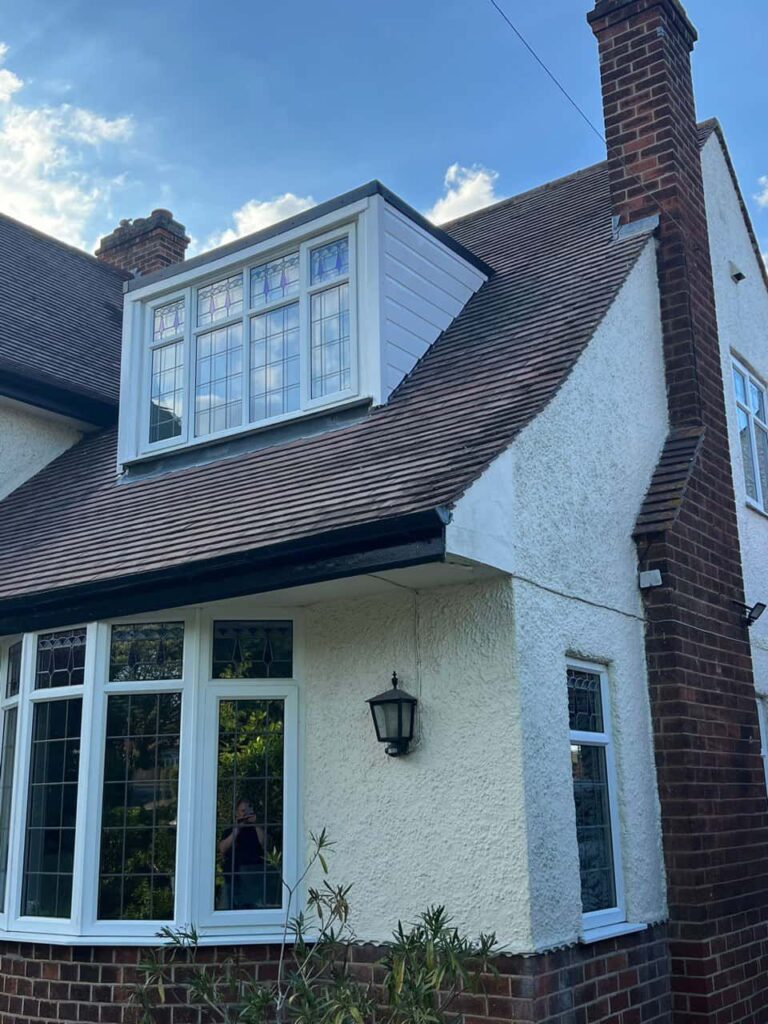
Storm conditions can place considerable strain on a property’s roof. Strong winds, heavy rainfall and flying debris can affect exposed roofing materials, particularly ridge tiles, which protect the highest point of a pitched roof. Even when damage is not immediately obvious from the ground, storms can loosen fixings, disturb mortar and create openings that allow water to enter.
For homeowners in Ringwood, Hampshire, understanding how severe weather affects roof components can make it easier to recognise potential problems and arrange repairs before they develop further. Regular inspections and prompt attention to storm damage help maintain the condition and reliability of a roof.
Why Ridge Tiles Are Particularly Vulnerable During Storms
Ridge tiles run along the highest point of a pitched roof, covering the junction where two roof slopes meet. Their exposed position means they are directly affected by strong gusts and changing wind pressure.
Over time, the materials holding ridge tiles in place can deteriorate. Traditional mortar bedding may develop cracks, become loose or lose its bond with the tiles. When strong winds reach an already weakened ridge, individual tiles can shift, lift or become dislodged.
Modern mechanical fixing systems can also be affected if fixings become damaged, corroded or loose. A ridge tile that has moved from its original position should be assessed promptly, as it may no longer provide an effective weatherproof covering.
How Strong Winds Affect Roofing Materials
High winds do not only affect ridge tiles. They can place pressure on several parts of a roofing system, particularly where materials are already worn or poorly secured.
Common wind-related problems include:
- Slipped or lifted roof tiles: Wind can disturb tiles, leaving gaps through which rainwater may enter.
- Damaged roof fixings: Nails, clips and other securing components may loosen or fail over time, making materials more vulnerable during storms.
- Dislodged ridge and verge tiles: Exposed roof edges and ridges can experience significant wind pressure.
- Damaged flashing: Lead or other flashing around chimneys, roof junctions and other details may lift or become detached.
- Loose roofing sheets or coverings: On suitable roof types, strong gusts can disturb poorly secured or deteriorating materials.
Even a small area of displaced covering can expose the underlying roof structure to further weather damage.
The Impact of Heavy Rainfall on Roof Damage
Strong winds are often accompanied by prolonged or heavy rainfall. If a storm has loosened ridge tiles, slipped roof tiles or damaged flashing, water can enter through the resulting gaps.
Moisture may reach the roof timbers, insulation and ceiling structure. If the problem remains unresolved, persistent dampness can contribute to timber deterioration, mould growth and damage to internal finishes.
Blocked or overwhelmed drainage can make the situation worse. Gutters and downpipes may struggle to manage heavy rainfall when they contain leaves and debris, increasing the likelihood of water overflowing near roof edges and walls.
After severe weather, it is therefore important to consider both visible roof damage and signs of water penetration inside the property.
Warning Signs That Your Roof May Have Storm Damage
Not all storm-related problems are immediately noticeable. Some damage can only be identified through a closer inspection, but there are several warning signs homeowners can look out for from a safe position.
These include:
- Ridge tiles that appear uneven, tilted or out of alignment.
- Missing or visibly slipped roof tiles.
- Pieces of broken tile or mortar found around the property.
- Flashing that appears lifted or detached.
- New damp patches or water staining on ceilings.
- Water entering through the roof or around chimney areas.
- Unusual draughts or daylight visible within the roof space.
Do not climb onto the roof to investigate suspected damage. Loose tiles and wet surfaces can be dangerous, particularly following a storm. A professional roofer can inspect the affected areas safely and identify problems that may not be visible from ground level.
Why Prompt Roof Repairs Are Important After a Storm
A displaced ridge tile or missing section of roof covering can leave surrounding materials more exposed to wind and rain. If repairs are delayed, further movement may occur, allowing water to penetrate the roof and affect other components.
Prompt repairs help restore the roof’s protective covering and reduce the risk of additional deterioration. Depending on the condition of the roof, work may involve replacing broken tiles, securing loose materials, renewing damaged ridge mortar or fixing defective flashing.
The correct repair should address the underlying cause rather than simply covering the visible damage. For example, replacing a loose ridge tile without checking its bedding or mechanical fixings may leave the same weakness in place.
A thorough assessment helps establish which components need attention and whether nearby roofing materials have also been affected.
Professional Storm Damage Roof Repairs in Ringwood
Following severe weather, arranging a professional roof inspection can help identify damage before it becomes a more extensive problem. An experienced roofer can assess ridge tiles, roof coverings, flashing and other vulnerable areas to determine the appropriate repairs.
MCM Roofing Repairs Ringwood provides roofing repair services for properties in Ringwood, Hampshire. Whether you have noticed slipped tiles, damaged ridge sections or signs of a roof leak after a storm, seeking professional advice can help you understand the condition of your roof and the work required.
If you suspect storm damage, contact MCM Roofing Repairs Ringwood to discuss your roofing concerns and arrange an assessment.
Conclusion
Storm conditions can affect ridge tiles and other roofing materials through strong winds, heavy rainfall and flying debris. Loose fixings, deteriorating mortar and displaced tiles can all leave a roof vulnerable to water penetration and further damage.
Recognising warning signs and arranging repairs promptly can help protect your property and maintain the condition of its roof. For homeowners in Ringwood, Hampshire, professional roofing support from MCM Roofing Repairs Ringwood can help address storm-related problems and restore the roof’s weather protection.
Call us on: 01425 208 596
Click here to find out more about MCM Roofing Repairs Ringwood
Click here to complete our contact form and see how we can help with your roofing needs.